Have you ever opened Instagram or a blog and thought, “What should I post today?” You are not alone. Many students, small business owners, and even large companies have the same problem. A simple idea called a content pillar can help solve this problem. In this article, we will explain what a content pillar is, why it is important, and how you can create your own. We will use simple words so that even a matric-pass student can understand it easily.

What is a Content Pillar? (Simple Definition)
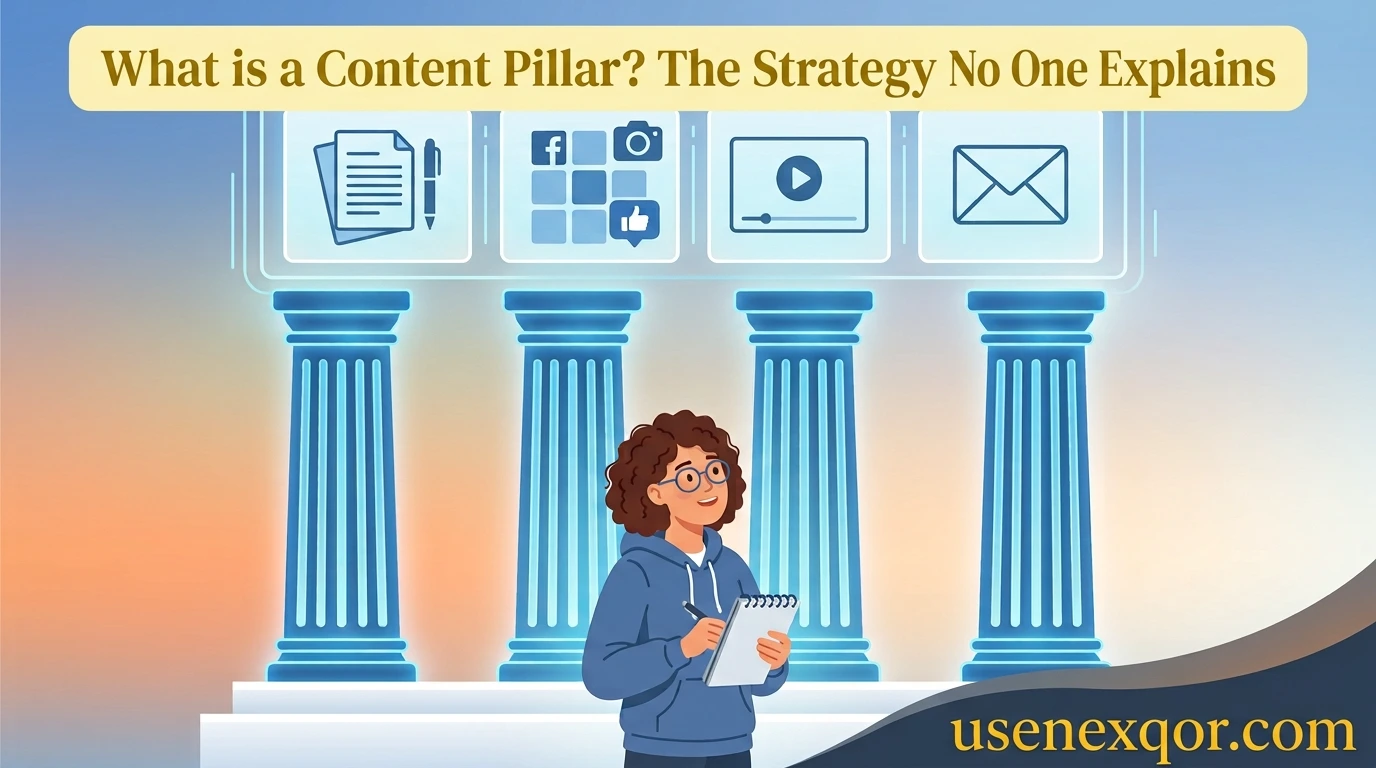
A content pillar is a main topic that a person or brand talks about, writes about, or posts about again and again. Think of content pillars like the strong columns of a building. A building needs strong columns to stay standing. In the same way, your content needs 3 to 5 main topics to stay strong, organized, and easy for people to understand.
For example, imagine someone has a YouTube channel about cricket. Their main topics could be match reviews, player interviews, cricket news, and tips for beginners. Every video they make will be about one of these four topics. This makes their channel feel organized and planned instead of random.
Why Content Pillars Are Important
Many bloggers think that content pillars are only useful for big companies, but this is not true. They can help anyone. Whether you are a student with a personal blog, a small YouTuber, or someone who wants to work in digital marketing, content pillars can help you create better and more organized content.
1. Better SEO (Search Engine Optimization)
When you write about the same main topics again and again, Google starts to understand your website better. Google sees that your website knows about this topic. This is called topical authority. It can help your content rank higher in Google search results.
2. Consistent Brand Message
Content pillars help you keep your content clear and organized. Your audience knows what type of content they will get from you. When you keep doing this, people start to trust you over time.
3. Saves Time and Reduces Stress
You do not need to think of a new idea every day. You can simply choose one of your main topics and create content about it. This makes content planning faster and easier.
Types of Content Pillars
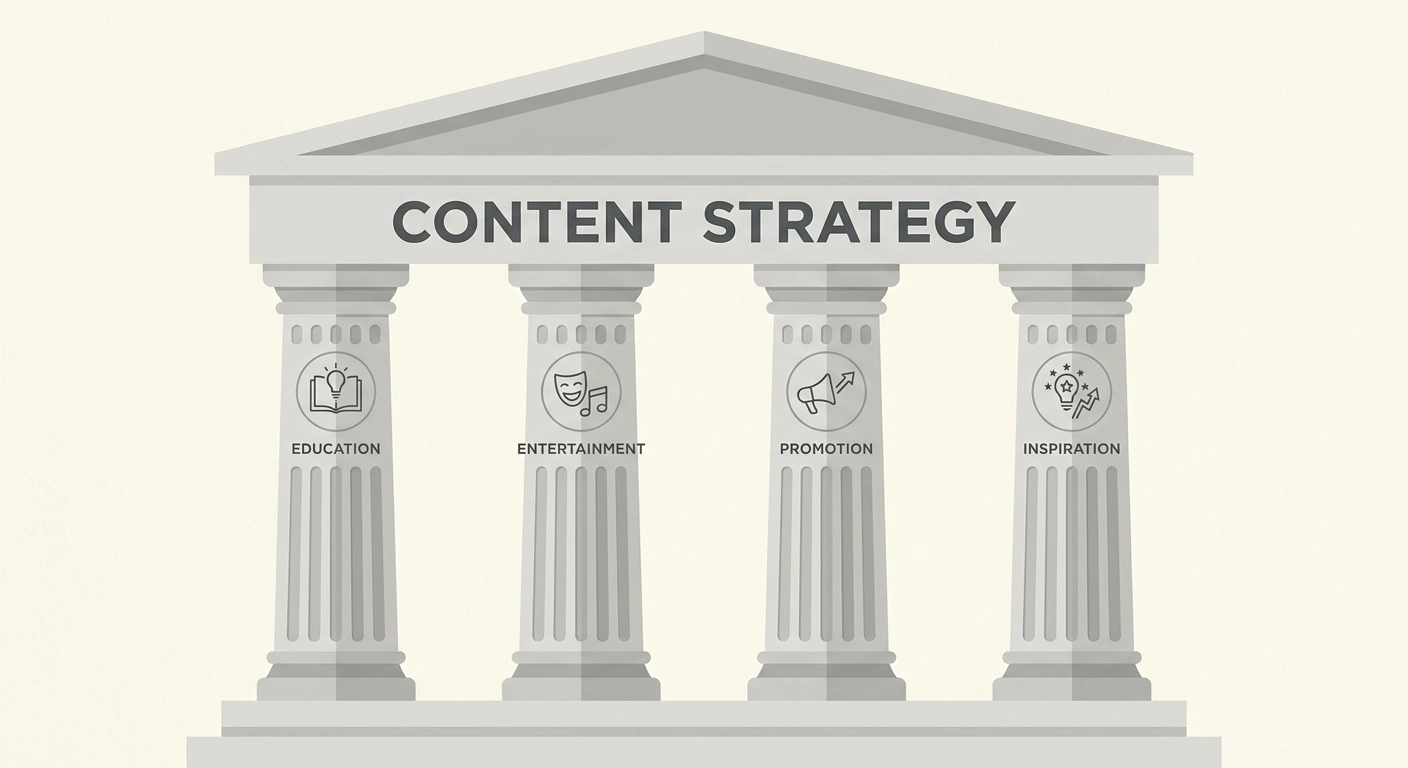
Content pillars are usually divided into four common types. Most successful creators and brands use a mix of these four.
Educational Pillar
This type of content teaches something useful to your audience. It can include tips, tutorials, how-to guides, or useful facts. For example: “5 tips to improve your English speaking skills.”
Inspirational Pillar
This type of content gives people motivation and inspiration. It can include success stories, quotes, or personal stories. For example: “How a student from a small village became a doctor.”
Entertainment Pillar
This type of content is made to entertain people and make them laugh. It can include memes, funny videos, or posts that many people can relate to. For example: “Things every matric student says before an exam.”
Promotional Pillar
This content promotes a product, service, or business. Example: an academy sharing details about its new admission offer.
Content Pillar vs Pillar Page — What is the Difference?
Many beginners get confused between a “content pillar” and a “pillar page.” But they are two different things.
● A content pillar is a broad theme or topic that guides what you post it is a strategy, not a single piece of content.
● A pillar page is one long, detailed webpage or article that covers a topic in full detail and links out to smaller, related articles (called cluster content).
In simple words: a content pillar is the idea, and a pillar page is one big article built around that idea. Understanding this difference will help you a lot if you ever study digital marketing or SEO in the future.
How to Create Your Own Content Pillars — Step by Step
Step 1: Know Your Audience
Before choosing a content pillar, think about the people you are creating content for. What problems do they have? What do they like to read or watch? Understanding your audience is the first and most important step.
Step 2: Choose 3 to 5 Core Themes
Choose a few topics that match your goals and your audience’s interests. Do not choose too many topics because your content may become confusing and unorganized.
Step 3: Build a Content Bank
Once your pillars are ready, start collecting ideas under each one — article titles, video ideas, or post topics. This content bank will save you a lot of time later.
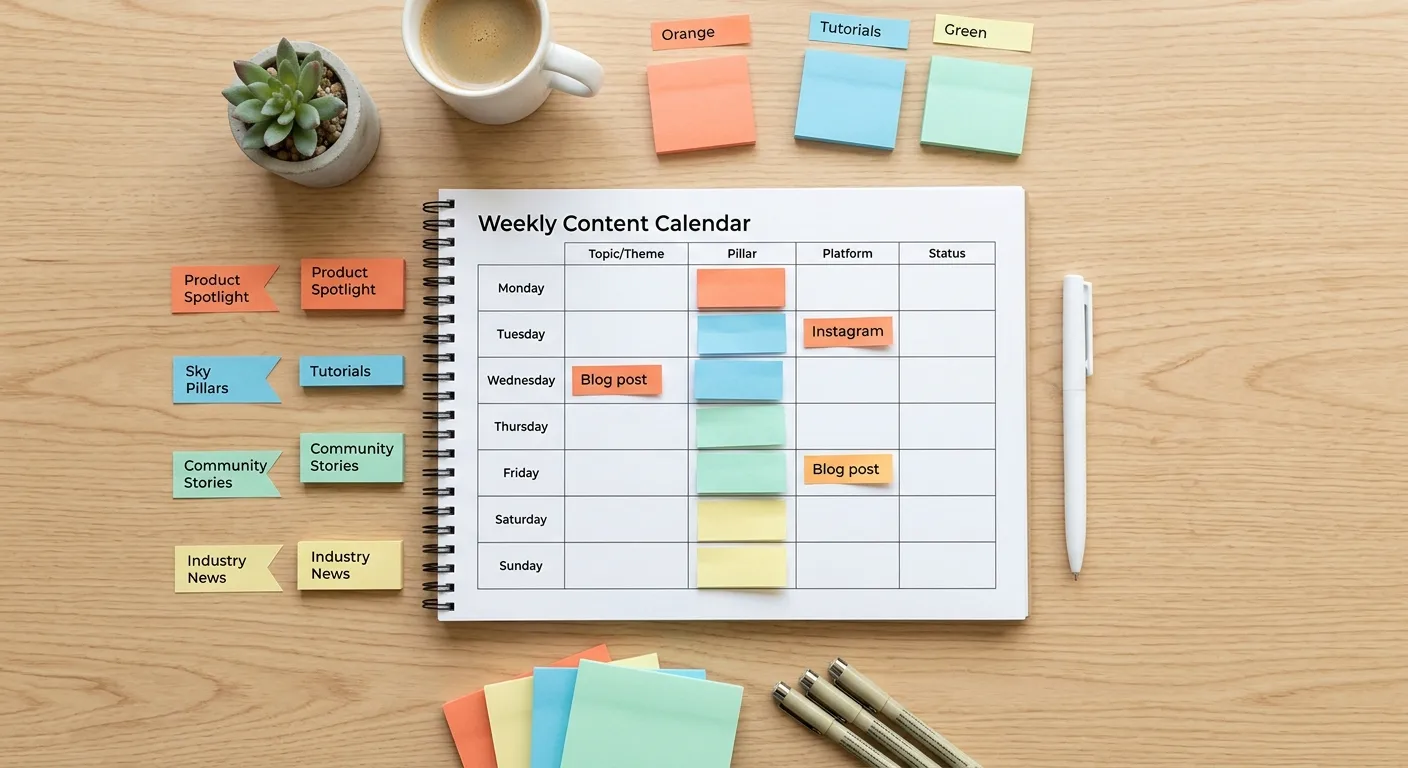
Step 4: Create a Simple Content Calendar
Assign your pillars to specific days of the week. For example: Monday for educational posts, Wednesday for inspirational posts, and Friday for entertainment posts. This keeps everything organized.
Real-Life Examples of Content Pillars
Let's look at a few simple examples so the concept becomes even clearer:
● A fitness page: workout tips, healthy recipes, motivational stories, and customer transformations.
● An educational academy: exam tips, subject notes, student success stories, and admission announcements.
● A fashion brand: styling tips, new arrivals, customer photos, and behind-the-scenes content.
Notice how each example has a clear, limited set of themes. None of them are posting completely random content — everything connects back to one of their core pillars.
Common Mistakes Students and Beginners Make
● Choosing too many pillars (more than 5), which creates confusion instead of clarity.
● Copying someone else's pillars without thinking about their own audience.
● Never updating pillars, even when the audience's interests change over time.
● Focusing only on promotional content and ignoring educational or entertaining content.
Conclusion
Content pillars are a simple and useful tool for creating content and digital marketing. They help you organize your content, save time, and build trust with your audience. They can help you whether you are a student starting a blog, a YouTuber, or someone who wants to work in digital marketing in the future. Start with just three main topics and keep creating content regularly. You may start seeing good results after a few weeks.
If you want to learn more about content strategy, digital marketing, or need professional help building your brand's content plan, you can visit our agency usenexqor for expert guidance and services.