Selling online in Iran is not like selling in the US or Europe. The buyers are different. The habits are different. The platforms are different. If you want your product page to sell, you need a description built for this market.
This guide shows you how to write product descriptions that Iranian shoppers trust. It also shows you how to rank on Google, Parsijoo, and Yooz. And it covers the gaps most guides on this topic miss.
Why Iranian Product Descriptions Need a Different Approach
Iran's e-commerce market crossed $3 billion in revenue in 2025. Most of that traffic comes from mobile phones, not desktops. Around 78% of Iranian shoppers browse and buy on smartphones.
That single fact should shape every line you write. Short paragraphs. Clear headings. No long blocks of text. A shopper scrolling on a phone decides fast. Give them fast answers.
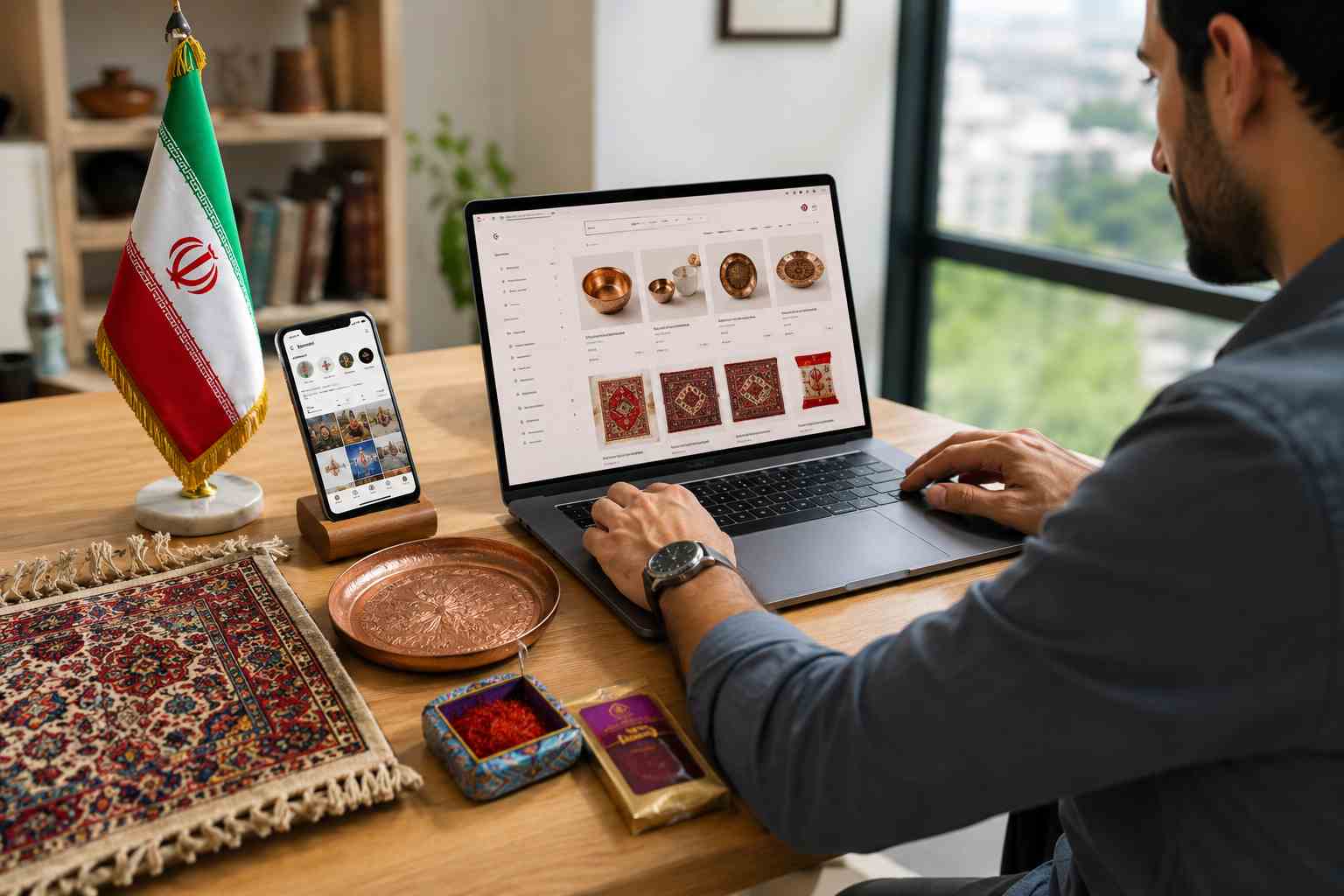
Iranian buyers also shop differently than Western buyers. Instagram and Telegram are not side channels here. They are main sales channels. Many sellers run their entire store through an Instagram page.
So a "product description" in Iran is not just a website field. It can be a caption, a story highlight, a Telegram post, or a Digikala listing. Each format needs its own version of the same core message.
Understand Your Iranian Buyer First
Before you write one word, know who is reading it. Iranian shoppers care about trust more than flashy language. Sanctions, payment issues, and past scams made buyers cautious.
They want clear proof before they click "buy." That means real photos, honest sizing, and clear delivery details. Vague claims like "high quality" do not convince anyone here.
They also value cultural connection. A product tied to Nowruz, Yalda, or Chaharshanbe Suri feels more relevant. This is not decoration. It is a real trust signal for local buyers.
The Core Structure of a High-Converting Description
Use this structure for almost any product in Iran.
1. Hook line (first 15-20 words). State the product and its main benefit right away. This is what shows up in search snippets and previews.
2. Short intro (2-3 sentences). Explain what the product is and who it is for. Keep every sentence short and direct.
3. Feature and benefit list. Use bullet points, not paragraphs. Each bullet should pair a feature with a real benefit.
4. Trust section. Add warranty info, return policy, and delivery time. This section matters more in Iran than in most markets.
5. Cultural or seasonal hook (when relevant). Tie the product to an occasion Iranian buyers know well. Keep it natural. Do not force it into every product.
6. Call to action. Tell the shopper exactly what to do next. "Order now" or "Message us on Instagram" both work well.
SEO Rules for Ranking on Google, Parsijoo, and Yooz
Most guides only talk about Google. That is a mistake in Iran. Parsijoo and Yooz are local search engines with real traffic. Your keyword strategy should work across all three.
Follow these SEO basics:
- Put your main keyword in the first 160 characters.
- Use the keyword once in a subheading, not just the title.
- Add related terms naturally, not stuffed together.
- Keep descriptions between 150 and 400 words.
- Add basic Product Schema markup to your page.
- Use simple, common Persian or English terms shoppers actually type.
Avoid keyword stuffing. It hurts readability and rankings alike. One clear keyword, used naturally, beats five forced ones.
Category-Specific Tips (The Part Most Guides Skip)
Different product types need different description styles. Here is how to adjust for Iran's top-selling categories.
Handicrafts and Persian Carpets
Buyers want the story, not just the specs. Mention the region, the craft technique, and the material. Words like "handwoven," "Esfahani copper," or "artisan-made" build value.
Food and Minerals
International buyers care about hard numbers here. List purity levels, certifications, and lab-tested results. For example: "62% Fe" for iron ore, or "ISO certified" for saffron.
Fashion and Accessories
Focus on fit, fabric, and comfort details. Terms like "breathable cotton" or "adjustable waistline" build trust. Mention sizing clearly, since online fashion returns are common in Iran.
Electronics and Home Goods
Buyers want warranty terms upfront. State the warranty length and what it covers. Also mention after-sales support, since this builds real confidence.
Trust Signals Iranian Shoppers Actually Look For
This is one of the biggest gaps in most existing guides. Iranian buyers check for specific signals before they trust a seller.
- Clear pricing in Toman, not Rial. Mixing these confuses buyers fast.
- Cash on delivery (COD) availability. This still matters a lot in Iran.
- Real warranty terms ("گارانتی"). Vague promises get ignored.
- Delivery time by city. Tehran buyers expect faster shipping than others.
- Return and exchange policy. State it clearly, not buried in a footer.
Add these details directly inside the product description. Do not make shoppers search another page to find them.
Writing for Instagram and Telegram Shops
Many Iranian sellers never touch a website at all. Their whole store lives on an Instagram page or Telegram channel. A caption needs a different rhythm than a webpage.
Keep captions short and scannable. Start with the product name and price in the first line. Add three to five bullet points using simple emojis as markers.
End with a clear next step. "DM to order" or "Link in bio" both work well. Avoid long paragraphs. Mobile readers skip past them fast.
Multilingual Descriptions for Export
If you sell to buyers outside Iran, language matters more. English, Arabic, Russian, and French cover most export markets. Do not just translate. Adapt tone and keywords for each market.
For example, a saffron listing for Europe might target "Buy Persian Saffron." The same product for Gulf buyers might target Arabic purity terms instead. Keep the core facts the same, but adjust the framing.
Selling During the Current Iran-US Conflict (2026 Update)
Iran is currently in an active conflict with the US and Israel. This war has been ongoing since February 2026. It affects shipping, payments, and buyer trust in real ways.
The Strait of Hormuz has seen repeated attacks on ships. Oil prices are rising, and shipping routes keep changing. This creates real delays for both local and export orders.
Update your product descriptions to reflect this reality. Do not ignore it. Buyers already know about the disruptions.
- Be upfront about delivery delays. State realistic timeframes, not old ones.
- Mention alternative shipping routes if you export internationally.
- Add a note on payment stability, since banking access can shift fast.
- Avoid political language. Keep descriptions focused on logistics, not opinions.
- Update stock and delivery info often. Old promises break trust fast.
This honesty builds more trust than silence ever could. Buyers respect sellers who acknowledge real conditions on the ground. It also signals to search engines that your content stays current.
Common Mistakes to Avoid
- Writing long, dense paragraphs with no bullet points.
- Skipping delivery and warranty details entirely.
- Using vague words like "premium" without real proof.
- Ignoring mobile formatting completely.
- Forgetting local search engines like Parsijoo and Yooz.
- Mixing Toman and Rial without clarifying which one you mean.
Quick Checklist Before You Publish
Run through this list for every product description.
- Main keyword appears in the first 160 characters.
- Description length sits between 150 and 400 words.
- Bullet points break up features and benefits.
- Pricing is clearly marked in Toman.
- Warranty and return policy are stated plainly.
- Delivery time is mentioned by city or region.
- Cultural context is added only where it feels natural.
- Mobile readability is checked on an actual phone screen.
Final Thoughts
Great Iranian product descriptions do two jobs at once. They help search engines understand the product. They also help real buyers trust the seller enough to click "buy."
Focus on clarity, honesty, and local context. Skip the fluff. Give shoppers what they actually need to decide. That is what turns a simple listing into a real sale.
If you need expert help writing these descriptions, UseNexQor can support you. The team at UseNexQor specializes in SEO content for niche markets like this one. They can help you build descriptions that rank and convert together.